

There’s a lot of talk about sustainability right now. Some of it feels like trend-chasing, sure, but in real estate the numbers keep showing a shift. Tenants in Cleveland, from college students in Tremont to professionals settling near Lakewood, are paying more attention to whether a property feels eco-conscious. That doesn’t mean landlords need solar panels on every roof or rainwater systems in every backyard. Sometimes small, practical upgrades speak louder than flashy gimmicks.
Why renters care more than they used to
The market in Cleveland is competitive, and renters are choosier than a decade ago. A unit with drafty windows or energy-draining appliances won’t get overlooked as easily as it once did. People see higher utility bills, feel the winter chill sneaking in through single-pane glass, and start asking questions. Pair this with rising costs of living, and it makes sense. Tenants want spaces that are comfortable but also budget-friendly long term.
And it isn’t only about saving money. Many renters say they want to live in buildings that match their values. It’s no coincidence that what renters really want in Cleveland in 2025 includes comfort, location, and increasingly, a sense that the property is future-minded.
Green home upgrades that actually work
Let’s be honest: not every so-called green solution pays off. Installing the wrong thing can cost a fortune and add very little to your rental’s appeal. But certain eco-friendly property improvements almost always land well.
- Energy-efficient windows. Cleveland winters are no joke, and tenants know it. This upgrade doesn’t just save energy; it improves comfort instantly.
- Smart thermostats. Small upfront investment, big perception boost. Tenants love the control and the promise of lower bills.
- Low-flow fixtures. Water conservation may not feel urgent in Cleveland, but renters increasingly see it as a sign of modern management.
- LED lighting. Cheaper over time, and nobody misses the flickering yellow bulbs.
These aren’t groundbreaking technologies. They’re straightforward improvements that make a rental feel updated and responsible without overspending. And here’s where property managers often come in, they’re usually the ones who recommend which upgrades deliver real returns versus which just sound trendy.
The Cleveland angle
Sustainability plays differently in different markets. In cities with sky-high utility rates, tenants practically demand upgrades. Cleveland’s costs are lower than, say, New York or San Francisco, but that doesn’t mean local renters don’t care. In fact, eco-friendly rentals here often stand out more simply because they’re not as common yet.
It’s similar to the way out-of-state investors are flocking to Cleveland. They see value others overlook. Sustainable upgrades work the same way. The demand is growing but still relatively under the radar, so properties that adopt changes early can attract tenants faster.
Costs, savings, and the skeptical view
Of course, not every green initiative saves money right away. Solar panels, for instance, might look impressive, but the payback timeline in Cleveland’s climate can feel discouraging. That’s where the skepticism kicks in. Upgrades should be chosen with care, not just copied from glossy real estate blogs written for entirely different markets.
Still, local landlords are finding smart ways to save. For example, Cleveland property owners are saving money without cutting corners in 2025 by focusing on efficiency-first updates, like better insulation or modern HVAC systems. The trick is combining environmental responsibility with financial sense. Tenants respect that balance.
Where property managers fit in
Managing these upgrades isn’t as simple as swapping a few light bulbs. Coordinating contractors, checking compliance, handling tenant communication, those parts matter. Property managers often bridge the gap between well-intentioned landlords and realistic execution. And they’ve seen what works across dozens of buildings, so their advice comes with context. It can prevent expensive mistakes, especially when regulations shift.
Cleveland has its own rules, and new ones seem to pop up often. Just keeping track of the city’s latest rental regulations can feel like a full-time job. That’s another area where property managers quietly save time and headaches for owners.
Neighborhood differences
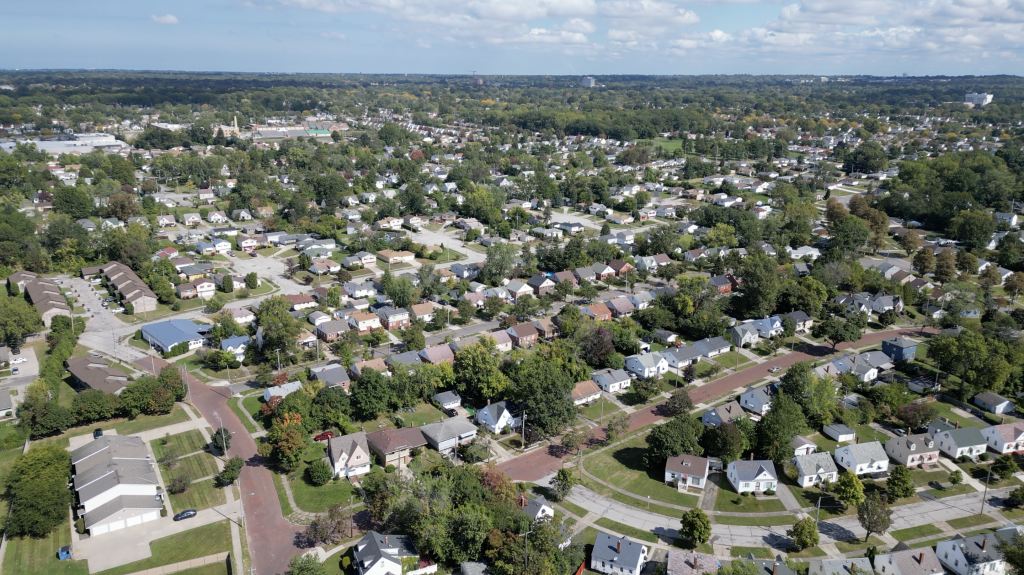
Sustainable rentals don’t have the same pull everywhere. A duplex in Old Brooklyn might need different improvements than a luxury unit near University Circle. And yes, sometimes the better strategy is just focusing on basics like fixing recurring issues. Tenants notice when landlords stay on top of the top maintenance issues plaguing Cleveland rentals, leaky roofs, faulty wiring, drafty basements, before experimenting with trendier upgrades.
Still, eco-friendly updates often act as a tie-breaker. If two similar rentals are listed, the one with modern, efficient features tends to fill first.
Looking ahead
It’s hard to predict exactly how big sustainability will become in Cleveland rentals. The truth is, it might never dominate tenant decision-making the way location does. But the trend line is clear. More renters ask about efficiency. More leases are signed on units where upgrades have been made. Even if it’s not the top priority today, it’s climbing the list year by year.
And that makes eco-friendly rentals less about ideology and more about practical positioning. The landlords who adapt early usually find themselves ahead of the curve.
At Overland Properties, we look at eco-friendly upgrades the same way we look at any improvement: it has to make sense for the property, the tenants, and the market. If you’re curious about where sustainable changes could fit into your Cleveland rentals, let’s talk. We’re here to help owners find the balance between long-term value and real-world demand.
FAQs
1. What eco-friendly upgrades attract tenants most in Cleveland?
A: Energy-efficient windows, smart thermostats, LED lighting, and low-flow fixtures usually give the best results.
2. Do sustainable upgrades actually save landlords money?
A: Yes, but it depends on the choice. Some upgrades lower utility costs immediately, while others have a longer payback period.
3. Are tenants in Cleveland really asking for green rentals?
A: Increasingly, yes. Renters value lower bills and properties that align with modern standards.
4. How can property managers help with eco-friendly improvements?
A: They guide landlords on which upgrades make financial sense and handle the logistics of installing them.
5. Is sustainability more important than location for tenants?
A: Not yet. Location still wins, but sustainable features often give a rental the competitive edge.