

Planning for a rental property year rarely starts in January.
It usually starts earlier. Quietly. While most owners are still reacting to whatever the year just threw at them, a smaller group is already thinking ahead. Not in a dramatic, overhaul-everything way. More like tightening a few bolts before something rattles loose.
For Cleveland rental owners, December is often the clearest month of the year. The noise dies down. Leasing slows. Maintenance requests thin out. There is finally room to think without urgency driving every decision.
That is why early rental property planning for 2026 tends to look less like forecasting and more like pattern recognition.
Below is what smart owners are already reviewing, adjusting, and setting up before the calendar flips.
They Start With Cash Flow, Not Rent Increases
One of the most common planning mistakes is jumping straight to rent.
Should it go up? How much? When?
Those questions matter, but experienced owners tend to start one step earlier. With rental property cash flow analysis.
They look at:
- Months where income felt tight despite “good” rent
- Expense timing that created pressure
- Whether reserves were adequate or constantly tested
In Cleveland rental property planning, this matters because seasonal patterns are predictable. Winter repairs cost more. Winter vacancies linger longer. Cash flow that barely worked this year is unlikely to feel better next year without adjustments.
This is why many owners focus first on smoothing cash flow before pushing pricing. Better timing often delivers more stability than higher rent alone.
They Review Property Performance, Not Just Property Value
Property value is reassuring. Performance is actionable.
Smart owners review how each unit actually behaved over the year:
- Vacancy length
- Maintenance frequency
- Tenant stability
- Rent growth relative to friction
This is where high-performing rental properties separate themselves. Not because they are newer or nicer, but because fewer things go wrong at the wrong times.
Early planning often involves identifying which properties deserve further investment and which ones simply need better systems around them. The difference is subtle, but it shapes long-term returns.
Owners who do this well tend to approach acquisition, renovation, and hold decisions with much more clarity.
They Adjust Maintenance Strategy Before It Becomes Urgent
Maintenance planning rarely feels urgent until it suddenly is.
Smart owners use December to look backward and forward at the same time.
They review:
- Which repairs repeated
- Where delays led to bigger issues
- Which preventive tasks were skipped entirely
This often leads to adjusting maintenance schedules before winter damage turns into spring emergencies. In Cleveland, that timing matters. Deferred maintenance has a way of showing up at the most expensive moment.
Early planning does not eliminate repairs. It reduces surprise. And that alone tends to improve both cash flow and tenant satisfaction.
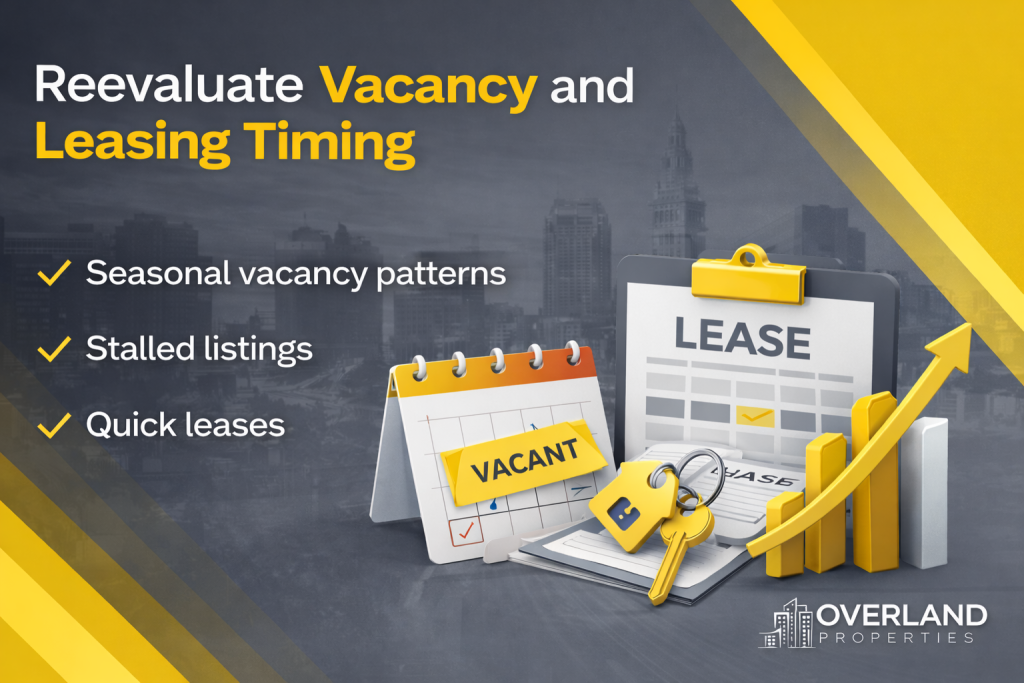
They Reevaluate Vacancy and Leasing Timing
Vacancy is not just about how long a unit sits empty.
It is about when it sits empty.
Smart Cleveland rental property planning includes reviewing:
- Seasonal vacancy patterns
- Listings that stalled without clear reasons
- Units that leased quickly with minimal effort
This often reveals opportunities to adjust marketing timelines, pricing strategy, or make minor upgrades earlier in the year. Owners who plan leasing cycles proactively tend to avoid scrambling during slower months.
This is also where structured Cleveland rental property management starts to show its value. Not by eliminating vacancy entirely, but by shortening it consistently.
They Pay Attention to Tenant Behavior, Not Just Turnover
Turnover is easy to track. Behavior takes more attention.
Early planners look at:
- Renewal acceptance rates
- Common maintenance complaints
- Communication gaps that surfaced repeatedly
Cleveland renters have become more consistent in what they expect. Clear processes. Predictable responses. Fewer surprises.
Owners who plan for tenant retention tend to focus less on cosmetic upgrades and more on operational consistency. Small changes in responsiveness often do more than new finishes when it comes to keeping good tenants.
This awareness shapes how leases, maintenance workflows, and communication systems are adjusted for the coming year.
They Get Ahead of Compliance and Documentation
Compliance planning rarely feels rewarding. It just feels necessary.
Smart owners use December to confirm:
- Lease documents reflect current Cleveland requirements
- Notices and records are complete and consistent
- No gray areas are being carried into a new year
Cleveland rental property planning has become more detail-driven over time. Owners who address documentation early tend to avoid reactive fixes later, especially during tenant transitions or disputes.
This is not about legal perfection. It is about reducing quiet risk before it becomes loud.
They Decide How Involved They Want to Be Next Year
This is the least technical part of planning, but often the most decisive.
Smart owners ask themselves:
- How much time did management actually take this year?
- Did that time feel worth it?
- Is the portfolio getting easier or harder to manage?
Some owners enjoy staying hands-on. Others reach a point where managing systems, vendors, and tenants no longer aligns with how they want to spend their time.
This is often when Cleveland rental property management becomes part of planning conversations. Not as a reaction to a problem, but as a proactive decision about structure and support.
The difference shows up in stress levels more than spreadsheets.
They Treat Planning as Ongoing, Not Annual
Perhaps the biggest shift among experienced owners is mindset.
They do not treat rental property planning as a once-a-year task. December simply offers a clearer window to start adjusting.
Early planning for 2026 often means:
- Setting review checkpoints for the year
- Adjusting budgets with real data, not estimates
- Creating maintenance and leasing timelines that reflect actual performance
This approach does not eliminate uncertainty. It reduces guesswork.
Moving Into 2026 With Fewer Unknowns
Smart Cleveland rental owners are not predicting the future. They are preparing for it.
They use December to identify patterns, address weak spots, and enter the new year with systems that support consistency rather than reaction.
If planning for 2026 raises questions about performance, time commitment, or operational support, those questions are worth exploring before they become urgent.
At Overland Properties, we work with owners who want clearer planning, steadier outcomes, and fewer surprises across the year. If you are thinking about how your Cleveland rental properties should operate in 2026, we would be glad to look at that picture together.
FAQs
1. When should rental property planning for 2026 begin?
A: Ideally in December, when performance patterns are still fresh and there is time to adjust proactively.
2. Why is Cleveland rental property planning different from other markets?
A: Seasonality, maintenance timing, and regulatory details all play a larger role in outcomes.
3. What should owners prioritize first when planning for a new year?
A: Cash flow timing, vacancy patterns, and maintenance behavior tend to have the biggest impact.
4. How does early planning improve tenant retention?
A: It allows owners to address responsiveness, maintenance schedules, and communication systems before issues escalate.
5. When does Cleveland rental property management become part of planning?
A: Often when time demands or operational complexity start outweighing the benefits of self-management.